Dark Triad Neuroscience: Brain Patterns & Behavior Links
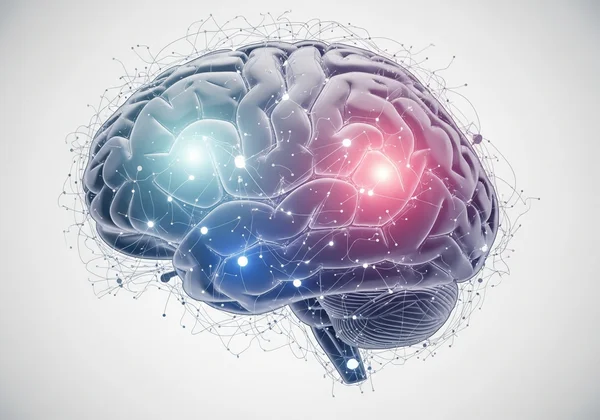
Have you ever wondered what happens inside the brain of someone who is highly manipulative, self-absorbed, or lacks empathy? While personality is complex, neuroscience is beginning to reveal fascinating links between our brain's structure and the traits of the Dark Triad: Machiavellianism, narcissism, and psychopathy.
Understanding the science behind these traits isn't about labeling people. Instead, it offers a deeper, more nuanced view of human behavior. It helps us move beyond simple judgments and explore the biological factors that can influence how we think, feel, and interact with the world. This journey into the brain provides powerful insights for anyone interested in psychology or personal growth.
Exploring your own personality profile is a key step in this journey of self-discovery. If you're curious about where you might fall on these spectrums, you can start your test to gain a confidential, science-based perspective.
Exploring the Biological Basis of Dark Triad Traits
The idea that personality is rooted in our biology isn't new, but modern technology allows scientists to look directly at the brain. Research shows that specific regions and networks are associated with the distinct behaviors seen in the Dark Triad. While no single brain scan can define a person, these patterns provide crucial clues.
Psychopathy's Neural Signatures: Amygdala & Prefrontal Cortex
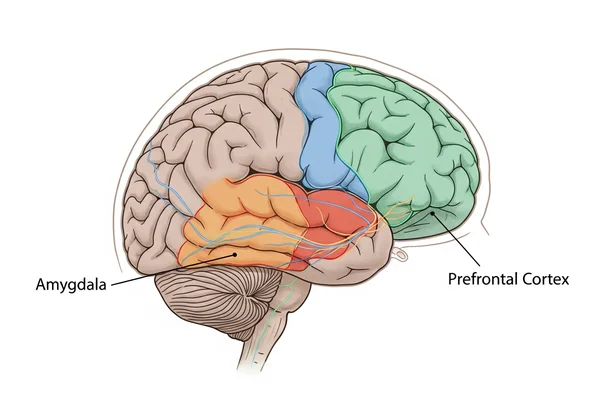
Psychopathy is often characterized by a lack of empathy, shallow emotions, and impulsivity. Neuroscientists have frequently linked these traits to two key brain areas:
-
The Amygdala: Think of the amygdala as the brain's alarm system. It's responsible for processing emotions like fear and recognizing distress in others. In individuals with high psychopathic traits, the amygdala often shows reduced activity. This may explain why they can remain calm in dangerous situations and struggle to understand or share the fear or anxiety of others.
-
The Prefrontal Cortex (PFC): This area, located at the front of the brain, acts as our executive control center. It governs decision-making, long-term planning, and social behavior. A weak PFC-amygdala connection often means poorer impulse control. It also makes learning from punishment harder, since emotional consequences fail to register.
Narcissism in the Brain: Reward & Self-Perception Circuits
Narcissism revolves around an inflated sense of self-importance, a constant need for admiration, and a lack of empathy for others. Brain imaging studies suggest this is tied to how the brain processes self-worth and rewards.
Key areas involved include the brain’s reward circuitry. In highly narcissistic individuals, the brain's reward system often craves social validation. Compliments or attention trigger strong responses. This can create a powerful drive to seek admiration. Furthermore, brain regions involved in self-referential thinking—the act of thinking about oneself—may be overactive, contributing to a constant focus on their own perceived status and achievements.
Machiavellianism: The Neurobiology of Strategic Social Manipulation
Machiavellianism is defined by a strategic, manipulative, and cynical worldview. Individuals high in this trait are often skilled at social navigation, using others to achieve their goals. This requires sophisticated cognitive abilities.
Neuroscience suggests that the parts of the brain responsible for "theory of mind" and executive function are crucial here. Theory of mind is our ability to understand the beliefs, intentions, and desires of other people. Strong executive functions allow for long-term planning and goal-oriented behavior. In Machiavellianism, these powerful cognitive tools are used to calculate social moves and manipulate others for personal gain, often without emotional interference.
Decoding How Brain Patterns Influence Dark Triad Behaviors
Brain structure is only part of the story. The way different brain regions communicate, and the chemical messengers they use, are just as important in shaping behavior. This complex interplay helps explain why two people with similar brain structures might act very differently.
The Role of Neurotransmitters in Dark Triad Expressions
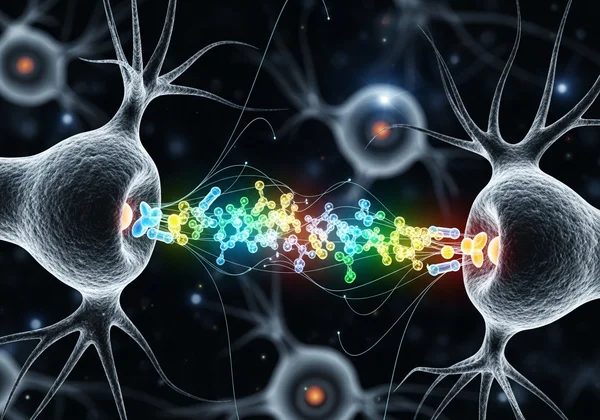
Neurotransmitters are the chemical signals that allow brain cells to communicate. Imbalances or differences in these chemicals can have a significant impact on personality and behavior:
-
Dopamine: Often called the "reward chemical," dopamine is linked to motivation and pleasure-seeking. Some research suggests that the drive for attention and validation in narcissism could be fueled by a highly responsive dopamine system.
-
Serotonin: This neurotransmitter helps regulate mood, anxiety, and impulse control. Lower levels of serotonin have been associated with increased aggression and impulsivity, which are common features of psychopathy.
-
Testosterone: While a hormone, testosterone influences brain function and has been linked to dominance-seeking and reduced fear response, potentially playing a role in both narcissistic and psychopathic traits.
Understanding your own tendencies is the first step toward growth. Our Dark Triad test can provide a confidential starting point for this exploration.
Nature, Nurture, and Neurodevelopment: A Complex Interplay
So, are people with Dark Triad traits born that way, or are they made? The scientific consensus is that it's a combination of both.
Genetics (nature) can create a predisposition. For example, a person might be born with a less reactive amygdala. However, life experiences (nurture), especially during childhood and adolescence, play a critical role in how these genetic tendencies are expressed. A supportive environment can steer these traits in a constructive direction. In contrast, a traumatic or unstable one might amplify their negative potential. This ongoing interaction shapes the brain's development over a lifetime.
Ethical Perspectives: Understanding Traits, Not Diagnosing Illness
It is vital to approach the neuroscience of the Dark Triad with caution and responsibility. These findings are tools for understanding, not weapons for judgment. They offer insights into why people behave the way they do, but they don't define who they are.
Disclaimer: The information in this article and on our website is for educational and self-exploration purposes only. It is not a substitute for professional psychological advice, diagnosis, or treatment.
Beyond Determinism: Debunking Myths and Reducing Stigma
One of the biggest risks of this research is "neuro-determinism"—the mistaken belief that our brains lock us into a specific destiny. This is simply not true. Having brain patterns associated with a certain trait does not mean you are doomed to act a certain way.
The brain has a remarkable ability to change and adapt, a concept known as neuroplasticity. New habits, conscious effort, and therapy can all create new neural pathways. Understanding your brain's tendencies is not an excuse for harmful behavior; it is an opportunity to learn how to manage it more effectively.
Leveraging Neuro-Insights for Self-Awareness and Growth
The ultimate goal of learning about Dark Triad neuroscience is empowerment. By understanding the potential biological roots of your own or others' behaviors, you can approach them with greater awareness and less judgment.
For yourself, this knowledge can highlight areas for personal development. Perhaps you recognize a tendency toward impulsivity or a need for external validation. Armed with this insight, you can develop strategies to manage these urges and build healthier relationships. Gaining these insights can be a powerful tool, and you can explore your traits with our confidential assessment.
Unlocking Deeper Self-Understanding Through Science and Self-Assessment
Ultimately, neuroscience reveals how biology shapes traits like Machiavellianism and narcissism—but never locks us into fixed behaviors. We've seen how specific brain regions, chemical messengers, and the lifelong dance between nature and nurture contribute to these traits.
This knowledge empowers self-awareness and growth. By understanding our tendencies, we gain the tools to navigate life more consciously. It replaces judgment with curiosity and provides a framework for personal development.

Ready to move from theory to personal insight? Take the free Dark Triad test now to receive your personalized profile and begin your journey of self-awareness.
Frequently Asked Questions About Dark Triad Neuroscience
How do I know if I have Dark Triad traits?
Self-reflection is a start, but structured assessments, like our science-backed test, offer clearer insights than self-reflection alone. A scientifically-based tool, like the Dark Triad test, can provide objective scores on each of the three traits, offering a clear and confidential baseline for self-understanding.
Are psychopaths born or made, according to neuroscience?
Neuroscience points to a mix of both. Someone might be born with genetic predispositions, like a less emotionally responsive brain. But environmental factors—especially childhood experiences—are crucial in shaping how (or if) these psychopathic traits develop.
How do people with Dark Triad traits typically behave?
Behavior exists on a spectrum, but common patterns include:
- Machiavellianism: Strategic, manipulative, and often charming to get what they want.
- Narcissism: A strong sense of entitlement, a constant need for praise, and a tendency to devalue others.
- Psychopathy: Impulsive behavior, a lack of remorse, and a shallow emotional experience.
Can Dark Triad traits be 'cured' or changed?
"Cure" isn't the right word, since these are personality traits, not diseases. But behavior can absolutely change. With self-awareness, conscious effort, and sometimes therapy, people can learn to manage their tendencies, develop empathy, and build healthier habits.