Open Psychometrics Character Test Guide for Safer Personality Reflection
The open psychometrics character test has become popular because it makes personality feel concrete: answer trait-based questions, then see which fictional characters seem statistically close to your response pattern. It is fun, social, and surprisingly thought-provoking. But it is also easy to overread a character match as if it were a full personality profile. If you are using fictional-character quizzes to understand yourself, it helps to separate entertainment, statistics, and real self-reflection. For readers who want a calmer framework for trait-based insight, a Dark Triad self-reflection tool can also show how specific tendencies may appear in behavior without turning a score into a label.

What the Open Psychometrics Character Test Actually Does
The OpenPsychometrics character quiz is often searched as "open psychometrics character test," "open source psychometrics character test," or by a franchise name such as Stranger Things, Harry Potter, or Game of Thrones. The basic idea is simple: users rate themselves on adjective pairs or personality-style prompts, and the tool compares those answers with a large database of fictional character profiles rated by many volunteers.
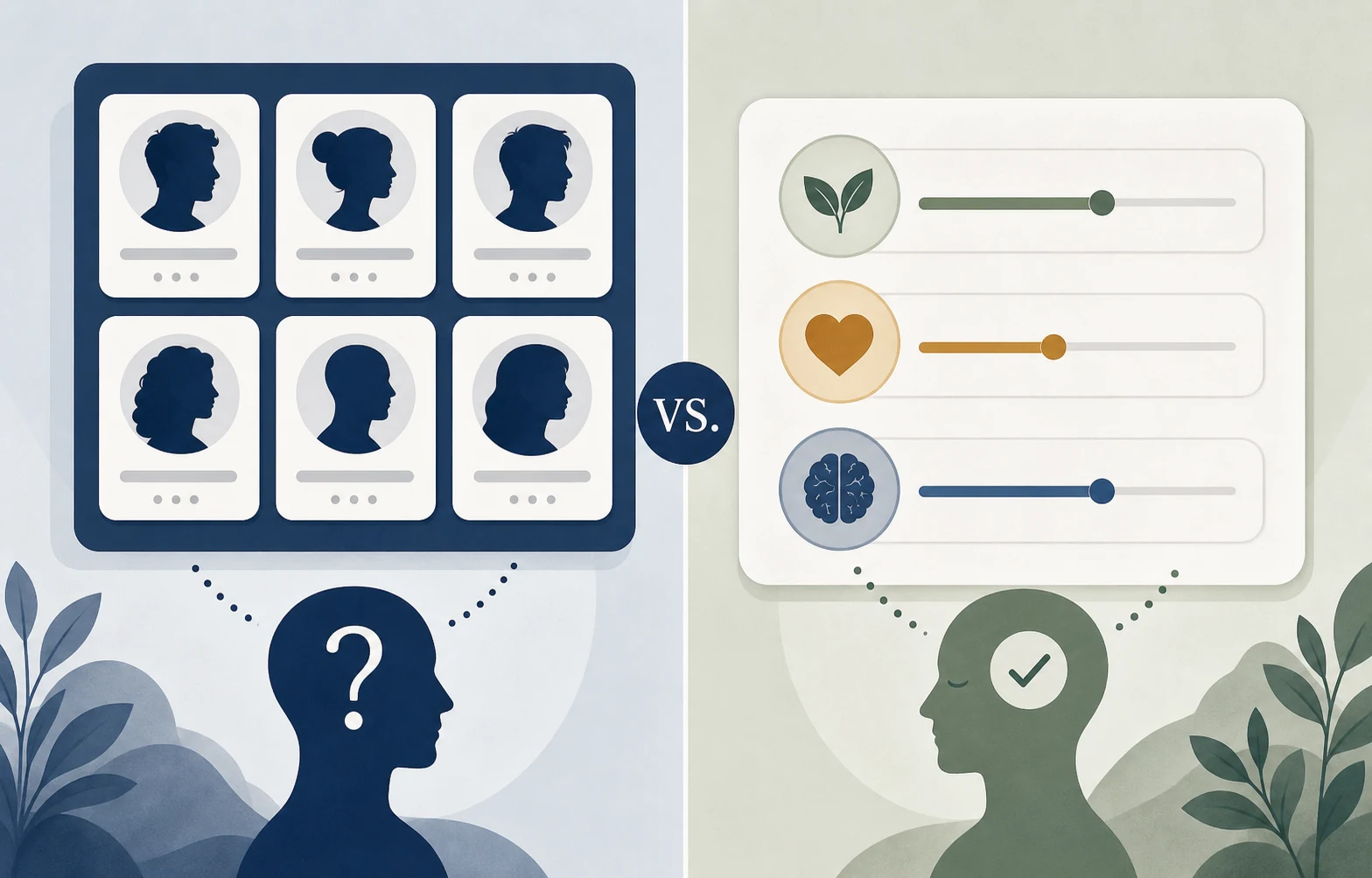
That makes it different from a magazine-style "which character are you" quiz. A casual quiz may route you to one result because you picked a favorite color, a house, or a dramatic scenario. A statistical character quiz tries to compare patterns across many trait dimensions. The result is usually a ranked similarity list, not a fixed identity type.
The keyword "open psychometrics character test" can point to several user intentions. Some people want the original OpenPsychometrics experience. Some are looking for an adapted quiz on another site. Others are trying to find a specific universe, such as an OpenPsychometrics Stranger Things test or an OpenPsychometrics character test Harry Potter query. The important point is that all of these searches revolve around similarity, not certainty. The test can suggest which fictional profiles resemble your self-ratings, but it cannot tell you who you really are.
Why Character-Match Tests Feel So Accurate
Character tests feel compelling because stories give traits a face. "High openness" may sound abstract, but a creative explorer, careful strategist, or socially bold protagonist is easier to imagine. That emotional vividness is part of the appeal.
There are also three psychological reasons these quizzes can feel accurate:
- Characters are memorable containers for trait patterns. A reader may remember one fictional person as brave, rebellious, reserved, impulsive, loyal, or calculating.
- Ranked results feel nuanced. Seeing a top match, second match, and lower matches can feel more flexible than being placed into one rigid box.
- Users often fill in the gaps. If a result partly fits, people may connect it to personal memories, friendships, school, work, or relationships.
That does not mean the result is meaningless. It means the result works best as a reflection prompt. If a match surprises you, ask what specific traits made it surprising. If a match feels right, ask whether it reflects your actual behavior or just a story role you admire.
Open Psychometrics Character Test vs Dark Triad Tests
A character test and a Dark Triad test answer different questions. A character quiz asks, "Which fictional profiles resemble my self-description?" A Dark Triad assessment asks about tendencies related to Machiavellianism, narcissism, and psychopathy as personality traits. Those traits can involve strategic manipulation, self-importance, lower empathy, impulsivity, or emotional detachment, depending on the dimension and the person's broader context.
This distinction matters because fictional characters often exaggerate personality. Stories reward contrast. A hero may be unusually brave, a strategist unusually calculating, and an antihero unusually cold under pressure. Real people are rarely that cleanly written. A person can have competitive, guarded, or attention-seeking tendencies without being reducible to a villain, a genius, or a single dramatic archetype.
If your interest in the open psychometrics character test comes from wondering why you relate to morally complex characters, try shifting the question. Instead of asking "Am I like that character?" ask:
- Which trait in the character feels familiar?
- Does that trait show up in my everyday choices?
- Is it a strength, a challenge, or both?
- What would responsible self-awareness look like here?
This is where a focused educational personality trait test can be useful. It narrows the lens from broad fictional similarity to a specific trait framework, while still treating the result as information for reflection rather than a final judgment.
How to Read a Character Result Without Overreading It
The safest way to use a character-match result is to treat it as a conversation starter with yourself. The result may point toward a pattern, but the interpretation should stay grounded.
Start with the traits, not the character. If your top match is famous for courage, suspicion, ambition, humor, secrecy, or intensity, name the trait first. Then decide whether that trait actually appears in your own behavior.
Look for context. You may act differently with family, close friends, strangers, classmates, coworkers, or rivals. A self-report quiz can miss that situational variation.
Notice the difference between admiration and similarity. You might admire a character's independence but not share their emotional style. You might dislike a character yet share a stress response with them.
Avoid moral shortcuts. Fiction loves heroes, villains, masterminds, and rebels. Personality reflection is more useful when it avoids "good person" and "bad person" sorting.
Repeat the quiz only when there is a reason. Retaking it immediately until you like the result can turn reflection into result-shopping. Waiting after a change in mood, life stage, or self-understanding is more meaningful.
A good result review might sound like this: "This match suggests I see myself as guarded and strategic. I can check whether that appears in conflict, planning, or trust-building." That kind of statement is modest, specific, and easier to use than "I am basically this character."
What Are the 5 Character Traits Test?
Many people who search for character quizzes also ask about the "5 character traits test." In personality psychology, that usually points to the Big Five model: openness, conscientiousness, extraversion, agreeableness, and neuroticism. These are broad trait dimensions, not fictional character categories.
The Big Five can help explain why character matching feels intuitive. A fictional character can be rated as highly open, highly conscientious, strongly extraverted, low in agreeableness, emotionally reactive, or any mixture of these broad tendencies. When a quiz compares your answers to character profiles, it may be working with similar trait-style signals even if the final output is a character list.
Still, Big Five traits and character matches are not the same thing. A Big Five result describes tendencies directly. A character result translates tendencies into a narrative comparison. Both can be enjoyable and informative, but they should be read at different levels. A trait score is closer to a map. A character match is closer to a metaphor.
Why Franchise Searches Get So Popular
Searches like "openpsychometrics Stranger Things test," "open psychometrics character test game of thrones," and "openpsychometrics character test harry potter" grow because people want personality feedback inside a story world they already understand. A franchise gives the result instant emotional meaning. Users know the characters, the conflicts, and the social roles.
That familiarity is useful, but it also creates bias. If you strongly prefer one character, you may unconsciously answer in a way that moves toward that result. If you dislike another character, you may reject a result that could still capture one narrow trait. Online trend cycles can add more pressure: when a quiz goes viral, people may share screenshots before they have thought about what the result means.
The best response is not to remove the fun. It is to keep the fun in its proper place. Treat franchise results as playful personality mirrors. Then, if a pattern keeps catching your attention, move from "which character am I?" to "which trait am I noticing?"
A Practical Checklist for Better Self-Reflection
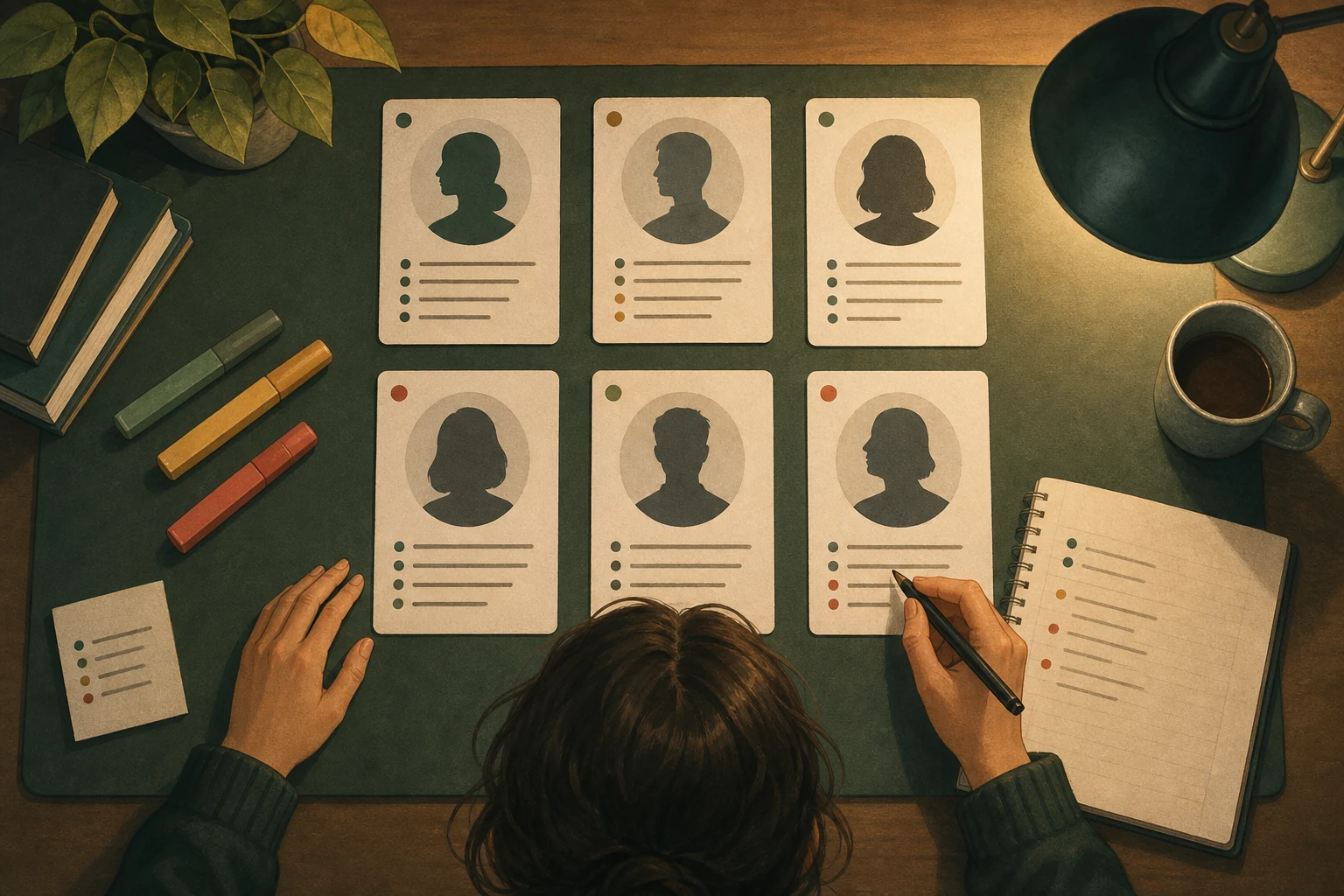
Use this checklist after any open psychometrics character test result:
- Name the top three traits you think the result reflects.
- Separate traits you admire from traits you actually show.
- Identify one real-life setting where the trait appears.
- Ask whether the trait helps, hurts, or depends on context.
- Compare the result with feedback you have heard from people you trust.
- Avoid using the result to excuse behavior that affects others.
- Revisit the result later instead of treating it as permanent.

This checklist also helps with darker or more complex matches. If you match with a character known for manipulation, arrogance, detachment, or risk-taking, the useful question is not whether you are "bad." The useful question is whether any related tendency deserves attention in your relationships, goals, boundaries, or communication habits.
For example, strategic thinking can support planning, negotiation, and self-control. It can also become harmful if it turns into chronic manipulation. Confidence can support leadership and resilience. It can also become brittle if it depends on constant admiration. Emotional coolness can help in pressure situations. It can also limit empathy if it becomes dismissive.
That balanced view is the heart of responsible personality content: traits are patterns to understand, not identities to defend.
When to Use a Trait-Based Tool Instead
A character quiz is best when you want a playful, story-based mirror. A trait-based tool is better when you want to examine a narrower psychological construct, compare dimensions, or reflect on behavior in a less fictional way.
Consider a trait-based tool when:
- You keep noticing the same pattern across different character results.
- You are curious about competitiveness, control, admiration, empathy, or impulsivity.
- You want language that is less tied to fandom and more tied to everyday behavior.
- You want to reflect privately without posting a result socially.
- You need a starting point for journaling or a thoughtful conversation, not a dramatic label.
For Dark Triad topics, this distinction is especially important. Machiavellianism, narcissism, and psychopathy are sensitive trait areas. They should be discussed carefully, without fear-based language or fixed moral labels. A structured tool can help you notice patterns, but it should not replace professional support when someone is dealing with distress, relationship harm, safety concerns, or major life decisions.
Turning Character Matches Into Healthier Insight
The open psychometrics character test is most useful when it leads to curiosity rather than certainty. A fictional match can make traits easier to see, but the next step is yours: translate the match into observable behavior, context, and choice.
If you enjoy character quizzes, keep using them lightly. Save the result, write down what feels accurate, and mark what feels off. Then ask one grounded question: "What can I understand about myself from this without turning it into a fixed identity?"
For readers who want to explore darker personality dimensions in a more focused and non-judgmental way, a structured Dark Triad test can offer a clearer starting point. Use it as educational self-observation, not as a final verdict. The goal is not to become a character result. The goal is to notice patterns with enough honesty and care to make better choices.

FAQ
How accurate is OpenPsychometrics?
OpenPsychometrics tools can be interesting because many of them are transparent about methods, limitations, and data sources. The character test is best read as a statistical similarity exercise based on self-ratings and crowd-rated character profiles. It can feel accurate, but it is not a complete measure of personality and should not be used for major decisions.
What is the open source psychometrics character test for Stranger Things?
People usually mean a character-matching version of the statistical "which character" quiz filtered or discussed through the Stranger Things universe. It compares your trait-style answers with fictional character profiles, then gives similarity-based matches. The safest way to read it is as entertainment plus reflection.
Which Harry Potter character are you on OpenPsychometrics?
Searchers often use that phrase when looking for a character-match quiz tied to the Harry Potter universe. The result depends on how your self-ratings compare with crowd-rated character profiles. It should be treated as a playful comparison, not a fixed personality type.
Is the open psychometrics character test the same as a Big Five test?
No. A Big Five test reports broad trait dimensions such as openness and extraversion. A character test may use trait-like inputs, but the output is a ranked list of fictional character similarities. One gives direct trait language; the other gives a narrative comparison.
Can a character quiz explain Dark Triad traits?
Only indirectly. Some fictional characters may appear strategic, self-focused, callous, charming, or impulsive, but a character match is not a Dark Triad assessment. If those patterns interest you, use careful trait language and avoid turning fictional similarity into a personal label.
Why do my character test results change?
Results can change because your mood, self-perception, answer choices, and selected question length can change. Small shifts may affect which fictional profiles appear closest. That is another reason to read results as snapshots, not permanent identities.
Should I share my character result online?
Share it only if it feels comfortable and low-stakes. Character results can invite fun conversation, but they can also be misunderstood. If a result feels personal, complex, or emotionally loaded, it may be better to reflect privately before posting it.